Table Of Content

The petroleum jelly will act as a barrier for the skin, ensuring that dye doesn't seep in unexpectedly. Just be mindful to avoid anywhere you want the dye to stick (your hair, for instance). Hair dyes are colorants "designed to lift and change your hair color," celebrity colorist and L'Oréal Professionnel Global Ambassador Min Kim tells Seventeen.
How to remove hair dye from your hands and fingertips?
If the stain still doesn’t come off after you try at-home treatments, see a color specialist at a salon. But one of the challenges of hair dyeing is that the color can stain your forehead, neck, or hands if you aren’t careful. Continue to scrub the affected area until you notice the stain disappearing. If some hair dye remains, reapply some petroleum jelly and let it sit on the stain overnight. The sooner you remove hair dye from your skin, the easier it will be.
Exfoliating facial wash
"Baking soda is also effective [in removing dye], but it can be abrasive to the skin," says Shamban. "Alcohol can help, but it's also very drying. No matter what, always be careful not to rub your skin raw." Waterproof makeup remover is made to remove waterproof mascara, indelible lipstick, and other long-lasting cosmetics, often among the most difficult to take off.
How to remove hair dye from the hairline and face
When the dye touches the skin, "the color molecule penetrates the first layer of the skin," leaving a stain, Maxine Salon colorist Robert Bennett adds. According to Kim, it's only right to prepare for stains when dyeing, "especially with darker or more vibrant colors." Committing to dye your hair is a big one, but the results are fun. You get to pick the hair color that works best for you and showcase all your creativity and personality through your new hue. Before you panic, you should know that there are several no-fuss ways to get hair dye off your skin.
Petroleum Jelly
Just be mindful not to get the barrier cream onto the hair itself because it could prevent the dye from delivering full coverage. When trying to remove hair dye from the skin, check your skincare routine for a chemical exfoliant like a cleanser with salicylic acid or glycolic acid peel pads. Their entire purpose is to get rid of the dead cells lingering on your skin’s surface, so they should be able to help remove hair dye too. “When getting hair dye off of your skin, it’s not about the amount of pressure.
Washing your skin is the best way to go, overly vigorous scrubbing might dry the area out and make the stain even tougher to remove. Try using a makeup remover that’s safe to use on sensitive skin, such as the Lancôme Bi-Facil Double Action Eye Makeup Remover, on a cotton round. This makeup remover’s dual-phase formula is gentle yet effective, making quick work out of removing tough stains. But we all know that mistakes can happen, and the same holds true when you’re dying your hair.
After you're done, gently scrub the skin around your hairline one last time with a damp towel. “It’s also helpful to keep your skin as hydrated as possible before dyeing your hair, as dry skin soaks up the dye more easily,” she explains. However, hairspray is not suitable to use on all skin types, and there is no evidence to support hairspray’s use against hair dye stains, so exercise caution. Do not spray directly onto the stain as it may get into the eyes. According to some research, olive oil has stain-removing properties.
How to Get Hair Dye Off Your Skin: Safe, Effective DIY Methods - Oprah Mag
How to Get Hair Dye Off Your Skin: Safe, Effective DIY Methods.
Posted: Thu, 12 Dec 2019 08:00:00 GMT [source]
And next time, an ounce of prevention...
Here is a guide to safe, quick, and straightforward practices to help eliminate any signs of a stain so you can feel fabulous about your new hair. Apply baking soda and water to the stained skin to scrub away the dye. Olive oil, baby oil, and oil-based moisturizers are also effective solutions, as well as hairspray, vinegar, or a mixture of laundry detergent and dish soap.
Apply the mixture to the affected area, lather, scrub, and rinse. Just exercise caution—bleach is an extremely harsh agent that can irritate sensitive skin, harm eyes, and discolor hair. "Try a squirt of glass cleaner in your hands and rub together," says Cleveland. To recap, if you notice a hair dye stain on your skin—whether it’s your hairline or the back of your neck—there’s no reason to get worked up.
But even with the ease of using products you can find at home to remove hair dye from your skin, there are a few things to consider beforehand. Garshick says the riskiest at-home solutions for a DIY hair dye removal include the use of nail polish remover with acetone, ammonia, lemon, or baking soda in a cleansing mixture. If you’re dyeing a beard or any facial hair, she especially cautions against using baking soda, dish soap, and rubbing alcohol as they will be too harsh for sensitive skin.
Nail polish remover isn’t safe to use on your face or neck, but it can help remove stains from hands. Apply a small amount of nail polish remover to a cotton swab or cotton ball. Start by wetting your hair with the hottest water you can handle.
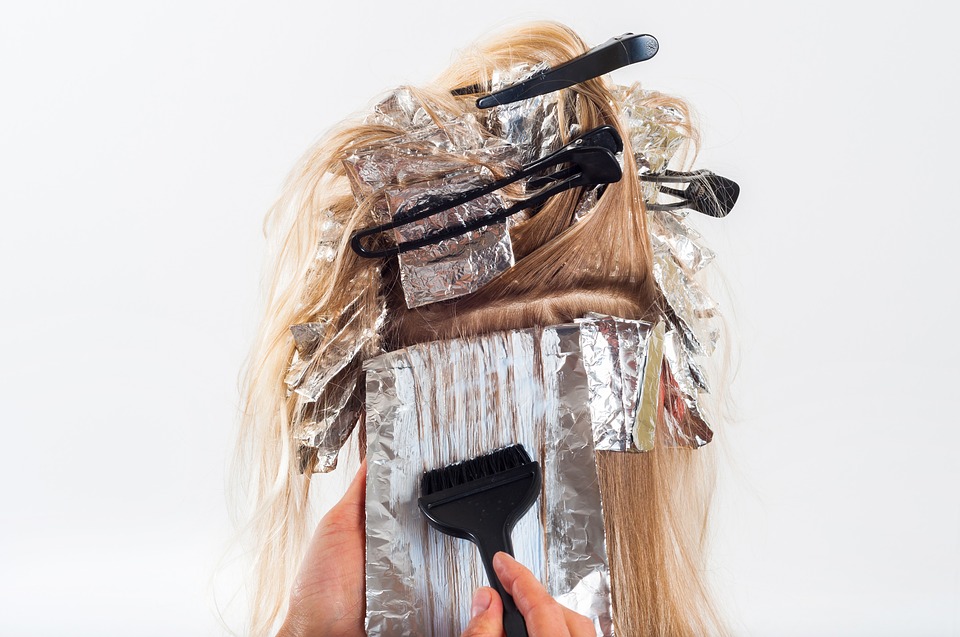
The best makeup removers are oil-based and do not cause irritation. These products may also be effective in removing stubborn hair dye stains, depending on the ingredients involved. Baby wipes are designed to be gentle enough to cleanse a baby's skin without irritation, so they are typically safe to use on your face to remove dirt and makeup. Depending on each product's formulation, they may also be effective in removing hair dye stains on your skin.
If you don’t have any of those items at home, you can trace around your hairline with a damp towel to clean the skin just after applying your hair dye, but be careful not to wipe any dye off of your hair. "Color or dyes of any kind can stick to dry skin like a tongue on a frozen pole," says Norris. Always use gloves and apply a barrier cream—Vaseline, shea butter lotion, lanolin, or coconut oil, for example—around the hairline and ears to reduce the possibility of staining. "If you get these creams on the hair itself, the color will not take to the hair."
However, they can be unsightly and embarrassing until they fade. You can reduce hair dye on the skin by refining your dye process to limit skin staining. Treating stains quickly with the right products can also reduce your risk of having long-term hair dye stains on your skin. A mixture of baking soda (sodium bicarbonate) and liquid dish soap may remove hair dye from the skin. The properties of baking soda and its slightly abrasive texture make it useful as a cleaning agent.
Though this isn't something most people have handy, it's a very effective method, says Norris. If you dye your hair frequently, consider stocking up—just in case. Since the pads have exfoliating properties, all you have to do to remove hair dye is quickly swipe the area with a pad. For really stubborn areas, mix a touch of bleach and soap (shampoo or dish soap work well).




No comments:
Post a Comment